Council Not Liable for Minor Footpath Trip Hazard – NSW Court of Appeal Clarifies Limits of Liability
In MacLean v Richmond Valley Council [2026] NSWCA 66, the New South Wales Court of Appeal confirmed that councils will not automatically be liable for injuries caused by minor irregularities in public footpaths.
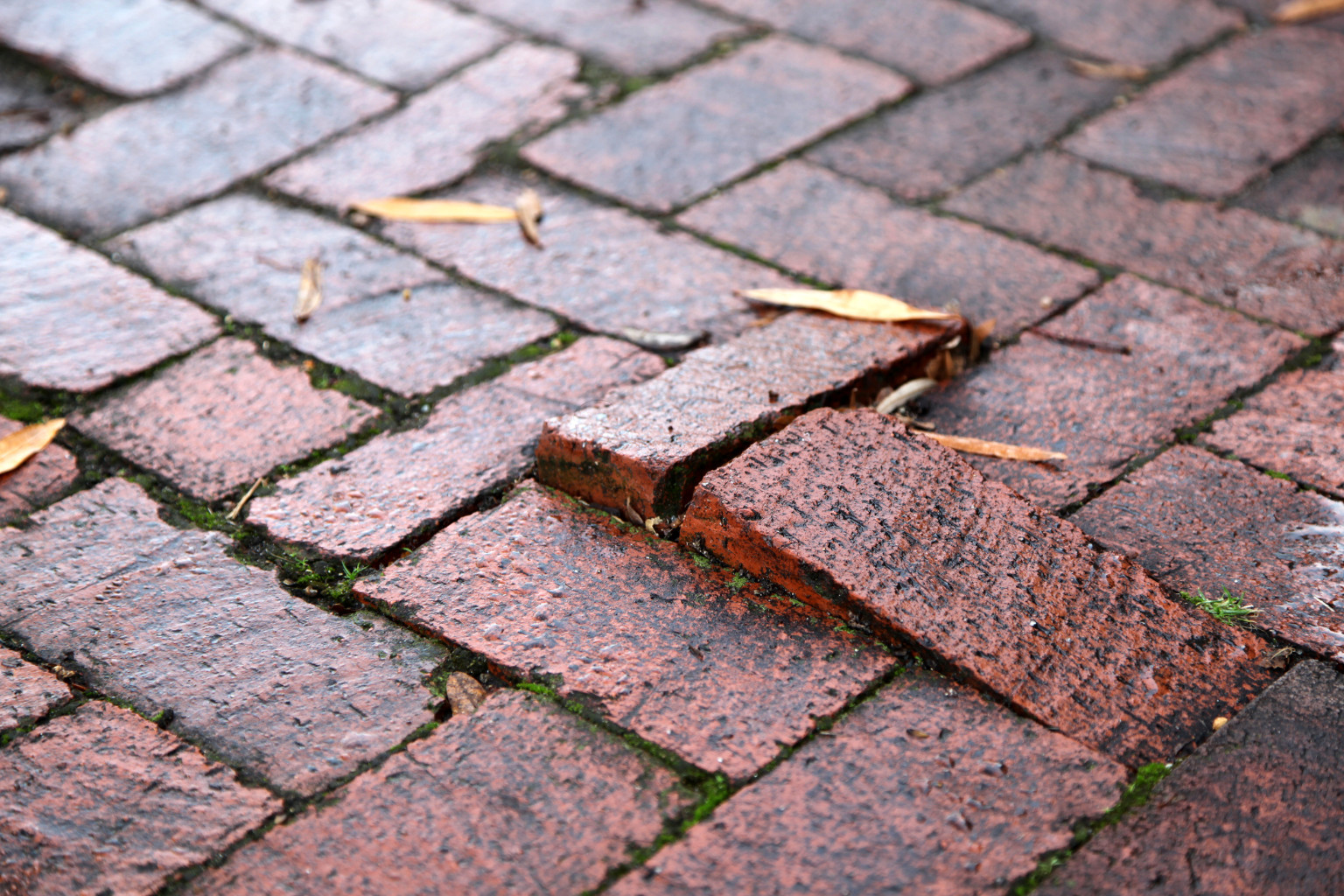
The plaintiff tripped on a raised concrete lip of approximately 23mm and suffered significant injury. Although the Council had identified the defect years earlier and had internal policies suggesting it should be addressed, the Court held that this did not establish negligence.
Importantly, the Court found:
- Not every hazard gives rise to liability – minor height differences in footpaths are considered everyday risks that pedestrians should expect.
- Council policies are not determinative – internal maintenance guidelines are “aspirational” and do not set the legal standard of care.
- Obvious risk principles apply – pedestrians are expected to take reasonable care for their own safety, including watching where they walk.
- No breach despite prior knowledge – even where a council is aware of a defect, liability depends on whether it was unreasonable not to fix it.
- Contributory negligence remains significant – failure to keep a proper lookout can substantially reduce or defeat a claim.
While the Court acknowledged an error in how the duty of care was framed at first instance, the claim ultimately failed because no breach of duty was established.
What this means for injured pedestrians
This decision highlights that successful public liability claims against councils require more than proof of a defect. The key issue is whether the risk was sufficiently serious that a reasonable council would have acted to fix it.
If you’ve been injured in a fall, obtaining early legal advice is critical to assess whether your claim meets this threshold.