Public Liability Claims in NSW: An Australian Guide to Risks, Treatment and Your Legal Options
What You Need to Know
People are injured every day in places they should reasonably expect to be safe. In supermarkets, footpaths, rental properties, restaurants and public venues. When that happens, the law in New South Wales allows a person to bring a claim for compensation if the injury was caused by someone else’s negligence. These are generally referred to as public liability claims.
When does a claim arise?
A claim will usually arise where a person or entity responsible for a premises or area fails to take reasonable steps to prevent a foreseeable risk of harm.
Typical examples include:
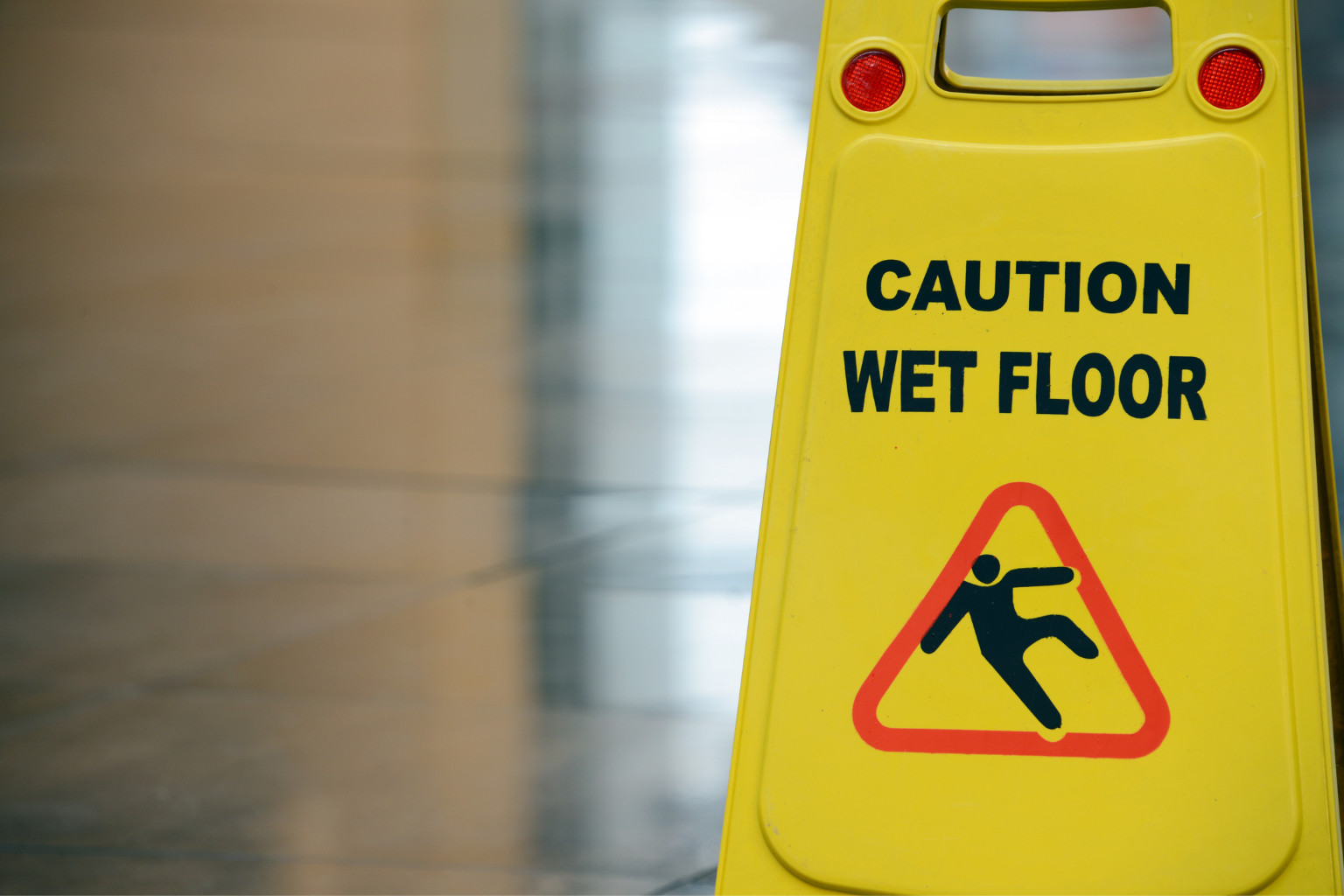
- slipping on a wet floor in a supermarket or shopping centre
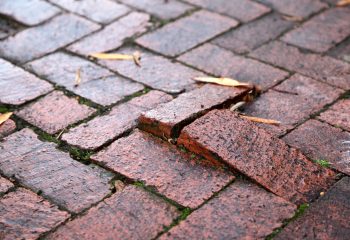
- tripping on uneven or poorly maintained surfaces
- injuries caused by inadequate lighting or security
- hazards in rental or strata properties that have not been addressed
- accidents in licensed venues or public spaces
What needs to be proved?
To succeed in a claim, it is not enough to show that an injury occurred. You need to establish fault.
1. Was there a duty of care? In most situations, this is straightforward. Occupiers and operators of premises owe a duty to people lawfully on the property.
2. Was that duty breached? This is the real battleground. The Court looks at whether the risk was foreseeable and whether reasonable precautions should have been taken. For example, was there a proper cleaning system in place? How often were inspections carried out? Was the hazard present long enough to be detected?
3. Did the breach cause the injury? There must be a clear connection between the hazard and the injury. If the cause is uncertain or speculative, the claim will struggle.
4. What loss has been suffered? This includes physical injury, financial loss, and the impact on daily life.
Public liability claims are frequently defended. It is common to see arguments along the following lines:
- the risk was “obvious” and did not require a warning
- the injured person was not paying proper attention
- the hazard appeared suddenly and could not reasonably have been addressed in time
- adequate systems of inspection and cleaning were in place
In claims involving councils or public authorities, there are additional statutory protections that can make liability more difficult to establish.
Evidence is critical
These cases are won and lost on evidence, particularly in the early stages. Key material often includes:
- incident reports prepared at the time
- CCTV footage
- cleaning and maintenance records
- photographs of the area
- witness accounts
Early investigation makes a significant difference.
Compensation
Where liability is established, compensation may be available for:
- Non-economic loss /pain and suffering
- Loss of income, both past and future
- Medical and treatment expenses
- Care and assistance needs
Public liability claims are often more complex than they first appear. What may seem like a straightforward accident can turn on quite technical issues particularly around systems of inspection, timing of hazards, and causation.
A careful review of the evidence is essential before any firm view can be taken about prospects of success.